
Punjab, a state that is synonymous with vibrant culture, rich history, and delectable cuisine, also offers a wealth of natural beauty that makes it an emerging hub for eco-tourism. Nestled in the fertile plains of India, Punjab is not just about golden fields of wheat and sprawling urban centers, but also an area where the natural environment and sustainable travel practices come together. Eco-tourism in Punjab is becoming increasingly popular as both locals and tourists seek to experience its rural landscapes, wildlife, and heritage while ensuring minimal impact on the environment
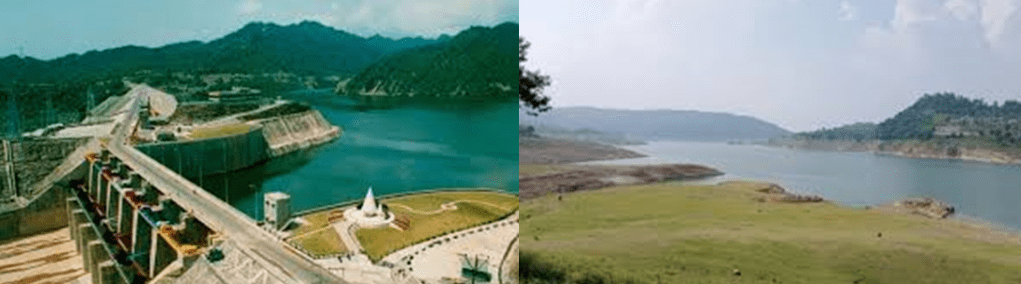
Ranjit Sagar Lake, Pathankot
Punjab: A Hidden Eco-Tourism Gem
While Punjab is often associated with its agricultural dominance and urban culture, the state boasts a range of natural treasures that are perfect for eco-tourism. From the rivers that flow through its plains to the forests that dot its landscape, Punjab offers various natural sites for travellers looking for a peaceful retreat amidst nature.
1. Rural Villages and Agricultural Tourism
Punjab’s countryside is a peaceful paradise for those seeking to escape the hustle and bustle of city life. Many eco-tourism initiatives in the state focus on rural experiences that showcase sustainable farming practices. Visitors can enjoy homestays in villages, interact with local farmers, and witness traditional agricultural practices like organic farming, which is gaining traction in Punjab.
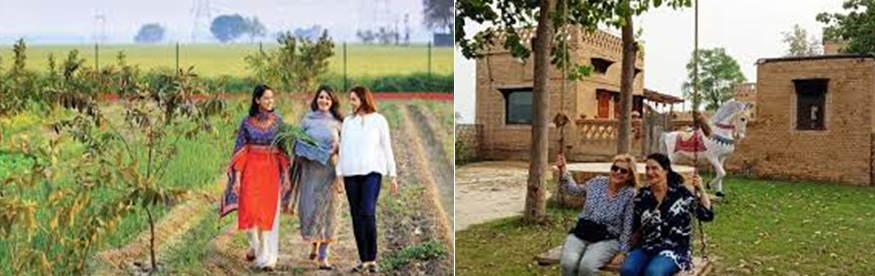
Farm Stay Tourism, Punjab
2. Wildlife Sanctuaries and Bird Watching
Punjab is home to some remarkable wildlife sanctuaries that offer a peaceful escape for nature lovers. One such sanctuary is the Harike Wetland and Bird Sanctuary, located at the confluence of the Beas and Sutlej Rivers. This sanctuary is a haven for bird watchers, especially during the migratory season when thousands of birds flock to the wetlands. Some of the species found here include the Siberian Crane, Greylag Goose, and various species of ducks, waders, and herons.
Another significant wildlife area is the Ramsar Wetland Site of Keshopur-Miani, which is located near Gurdaspur. It is a breeding ground for migratory birds, and the surrounding area offers eco-tourists the chance to explore its natural beauty through responsible tourism activities such as trekking, bird watching, and photography.
Surrounded by lush greenery and hills, Ranjit Sagar Lake (spanning 74.76 acres) has a great tourism potential as it is located enroute to Dalhousie, Chamba, Khajjiar and is in the vicinity of Dharamshala, Palampur, Chamba, and Vaishno Devi temple near Katra – all very famous tourist destinations. The total area for Eco Tourism Development in and around Ranjit Sagar Dam is 305.07 acres which are divided into 4 pockets as follows
Pocket A (Phangota village) – 112.98 acres
Pocket B (Dam Colony) – 112.59 acres
Pocket C (Palangi) – 59.1 acres
Pocket D (Kulara) – 20.4 acres
In-Principle Stage-1 Forest Clearance for Pocket C & D from MoEF for the cited project has been provided by MoEF vide letter no. 9-PBC303/2019-NRO, dated: 10.08.2020
Environment Clearance for Pocket C & D from State Environment Impact Assessment Authority ( SEIAA) vide letter no SEIAA/2017/67 dated: 23.01.2017
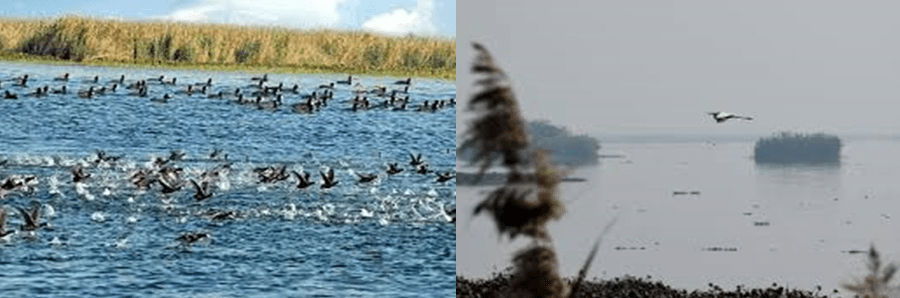
Harike Wetland, Tarn Taran
3. The Sacred Forests of Punjab
Punjab has sacred groves that are not only environmentally significant but also culturally important. These sacred forests, often located near temples and gurudwaras, are protected by local communities. The Chopai Sahib Forest near Fatehgarh Sahib is one such example, where the flora and fauna are conserved through community efforts. These forests have been maintained by local traditions, and visiting these areas helps in promoting environmental conservation while giving tourists a chance to appreciate the spiritual connection that people have with nature.
4. Sustainable Trekking in the Shivalik Hills
The Shivalik Hills, which form the foothills of the majestic Himalayas, offer a perfect setting for eco-tourism. Trekking in this region is a sustainable way to explore the natural beauty of Punjab. The Maharaja Ranjit Singh’s summer palace at Sadda Pind, nestled in the Shivalik range, is a great spot for eco-tourists to experience both history and nature.
Eco-conscious trekkers can enjoy walks through the lush forests, explore scenic trails, and witness the diverse flora and fauna of the region. Tourists can also learn about the efforts to preserve the natural habitat, including the restoration of the green cover and wildlife corridors.
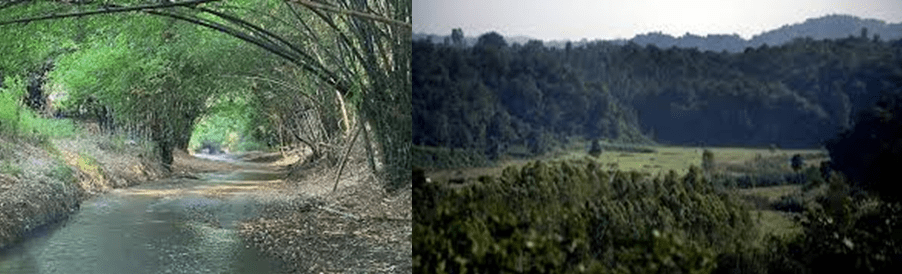
Shivalik Forests, Hoshiarpur
5. Rural Homestays and Community Tourism
Another growing segment of eco-tourism in Punjab is community-based tourism, where visitors stay with local families, engage in local traditions, and learn about the region’s cultural heritage. Rural homestays allow tourists to experience the local way of life, enjoy organic farm-to-table meals, and even participate in festivals and fairs.
This type of tourism provides economic benefits to rural communities and supports local crafts, such as Punjabi handlooms, pottery, and other handmade products. It also gives visitors a chance to experience Punjab’s authentic culture, while encouraging responsible travel that reduces the environmental impact associated with mainstream tourism.
6. Sustainable Travel to Punjab’s Historical and Religious Sites
Many eco-tourism enthusiasts visit Punjab not just for its natural beauty but also for its historical and religious significance. The Golden Temple in Amritsar, the holiest shrine for Sikhs, attracts millions of visitors every year. Efforts to make these sites more sustainable have led to the adoption of eco-friendly practices, such as water conservation, waste management, and the promotion of green spaces around the temple complex.
Similarly, historical sites like Qila Mubarak in Patiala, Sheesh Mahal, and Jallianwala Bagh are integrating eco-friendly practices to ensure the preservation of these architectural marvels while minimizing their environmental footprint.
How Eco-Tourism Benefits Punjab
Eco-tourism brings several benefits to Punjab, including:
- Conservation of Natural Resources: By promoting sustainable practices, eco-tourism encourages the preservation of ecosystems, wildlife, and forests.
- Community Empowerment: Through rural homestays and local engagement, eco-tourism provides economic opportunities for local communities, enabling them to thrive while preserving their traditional lifestyles.
- Awareness and Education: Eco-tourism educates travelers about the importance of conservation, helping to build a deeper appreciation for the environment and fostering a sense of responsibility towards nature..
Conclusion
Punjab is transforming into an eco-tourism destination that offers more than just historical sites and cultural experiences. It is a place where nature lovers can escape into peaceful landscapes, experience rural life, and contribute to preserving the environment.
As eco-tourism continues to grow in Punjab, it brings together the best of nature, culture, and sustainable travel practices, offering travelers a unique opportunity to experience the state’s beauty while protecting it for future generations.
If you’re looking for an adventure that combines scenic beauty, wildlife, and cultural immersion, Punjab’s eco-tourism offerings are certainly worth exploring.
References:
1. Singh, A. & Kaur, J. (2021). Challenges in Promoting Eco-Tourism in Punjab. International Journal of Sustainable Tourism.
2. Amritsar Development Authority. (2020). Eco-Friendly Initiatives at the Golden Temple. Retrieved from https://amritsartourism.com
3. Punjab Tourism Department. (2021). Trekking in the Shivalik Hills. Retrieved from https://punjabtourism.gov.in
4. Ministry of Environment, Forest and Climate Change, Government of India. (2020). Keshopur-Miani Wetland: A Ramsar Site. Retrieved from https://envfor.nic.in
5. Punjab Tourism Official Website. (n.d.). Harike Wetland and Bird Sanctuary. Retrieved from https://punjabtourism.gov.in
6. BirdLife International. (2019). Harike Wetland Bird Sanctuary. Retrieved from https://www.birdlife.org
Written by: Mr. Aadhar Gupta, Sr. Consultant, Invest Punjab
 Invest Punjab Blogs