
The food and agriculture industry in India stands at a pivotal juncture in 2024, shaped by dynamic shifts in technology, policy, and market trends. As one of the largest agrarian economies globally, India’s agricultural sector significantly impacts its GDP, employment, and food security. However, the challenges posed by climate change, resource scarcity, and population growth underscore the need for a robust, forward-looking strategy to ensure sustainability and growth over the next decade.
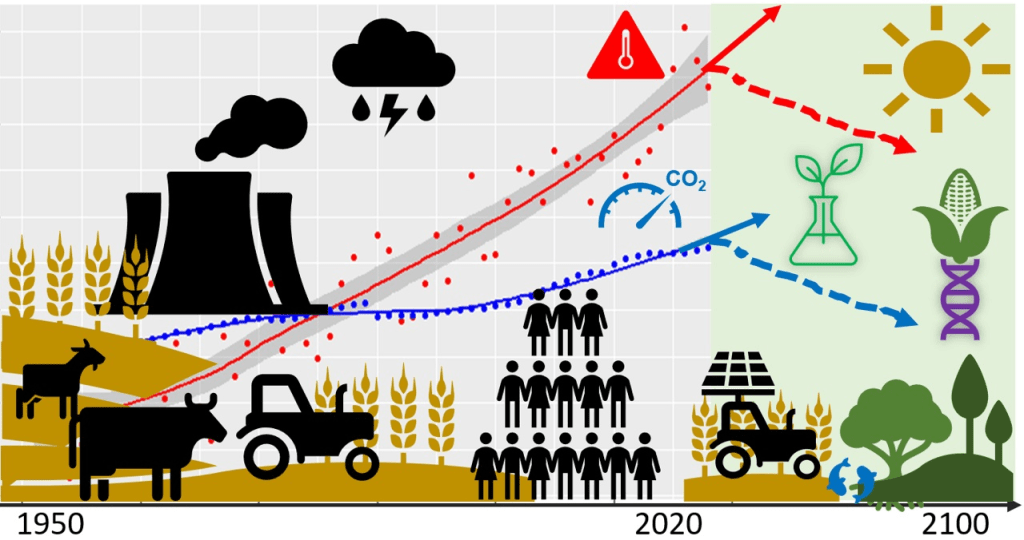
Current Landscape of the Food and Agro Industry in India (2024)
The food and agro industry in India in 2024 is characterized by a mix of opportunities and challenges, driven by technological innovations, evolving consumer preferences, and environmental concerns. Below is a detailed exploration of its key components:
1. Contribution to Economy
The agriculture sector contributes approximately 18.2% to India’s GDP, employing over 42% of the workforce. While its percentage share has decreased due to the growth of industrial and service sectors, the sector remains the backbone of rural India and a critical driver of food security and export revenue.
2. Technological Advancements
- Precision Agriculture: Farmers are increasingly adopting precision farming technologies such as satellite imaging, drones, and IoT devices to optimize resource use and improve productivity.
- Agri-Tech Startups: Startups are leveraging artificial intelligence, blockchain, and data analytics to address challenges such as market access, supply chain inefficiencies, and credit availability.
- Mechanization: The use of tractors, harvesters, and other farm machinery is rising, particularly in regions with larger farm holdings, although smallholder farmers still face barriers due to cost.
3. Climate Challenges
India’s agriculture is heavily dependent on monsoons, making it vulnerable to climate change. Key issues include:
- Unpredictable Weather Patterns: Erratic rainfall and extreme weather events are disrupting sowing and harvesting cycles.
- Water Scarcity: Over-extraction of groundwater for irrigation has led to alarming levels of depletion in several states.
- Soil Health: Excessive use of chemical fertilizers has degraded soil quality, reducing long-term productivity.
4. Policy Environment
The government has introduced several initiatives to support the sector:
- PM-KISAN: Provides direct income support to farmers.
- Agriculture Infrastructure Fund: Focuses on building farm-gate infrastructure and cold storage facilities.
- PLI Scheme: Encourages investments in food processing and value addition. Despite these efforts, implementation gaps and regional disparities remain challenges.
5. Consumer Trends
- Demand for Organic Products: Urban consumers are increasingly shifting towards organic and pesticide-free produce, creating a growing market for organic farming.
- Processed Foods: There is rising demand for convenience foods, including ready-to-eat meals and snacks, driven by changing lifestyles.
- Health and Wellness: Consumers are prioritizing nutrition, driving demand for functional foods, superfoods, and plant-based alternatives.
6. Export Potential
India is one of the world’s largest exporters of rice, spices, and marine products. However, non-tariff barriers, quality issues, and limited value addition constrain its export potential. The focus is now on enhancing branding, quality certification, and logistics.
7. Challenges in Market Access and Infrastructure
- Supply Chain Inefficiencies: Lack of adequate storage and transport facilities leads to significant post-harvest losses, especially in perishable commodities.
- Market Linkages: Farmers often depend on intermediaries, reducing their share of the final consumer price. Digital marketplaces and eNAM (National Agriculture Market) aim to address this issue but face limited adoption.
- Rural Infrastructure: Inadequate road connectivity and power supply hinder efficient farm-to-market logistics.
Key Challenges in the Current Scenario
- Fragmented Landholdings: Small and fragmented farms hinder economies of scale and limit mechanization.
- Resource Depletion: Overuse of groundwater and chemical fertilizers is leading to unsustainable farming practices.
- Supply Chain Inefficiencies: Inadequate storage facilities and transportation infrastructure result in significant post-harvest losses.
- Market Access: Farmers often struggle to secure fair prices due to the lack of direct access to markets and dependence on intermediaries.
- Climate Resilience: The industry’s vulnerability to climate-related risks necessitates urgent adaptation and mitigation strategies.
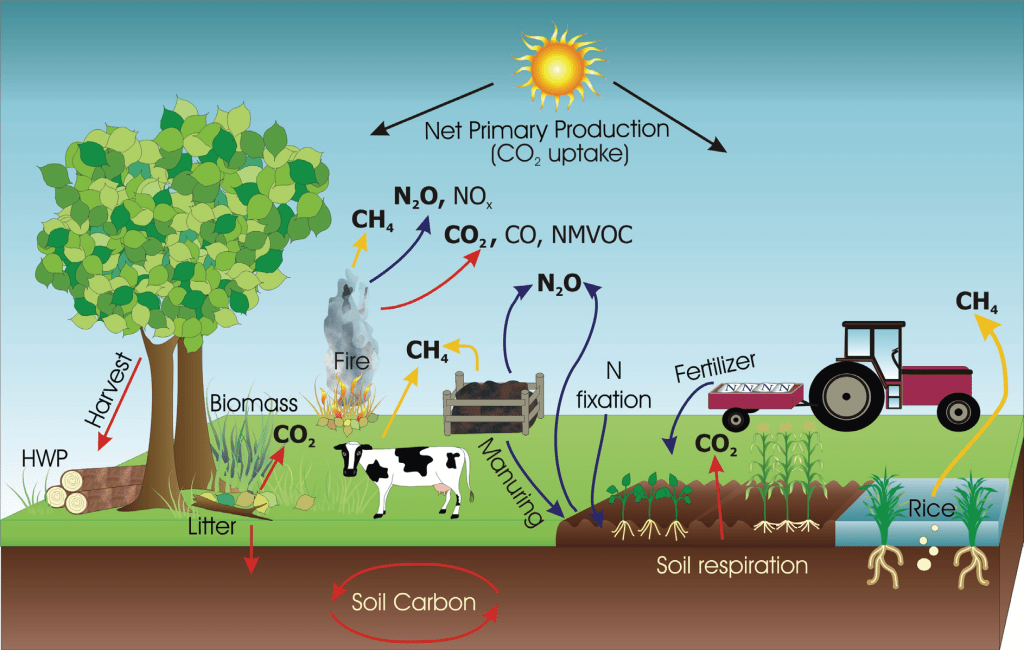
A Decade Plan for Transforming India’s Food and Agro Industry
To address these challenges and position the industry for long-term growth, a comprehensive decade plan must focus on the following pillars:
1. Sustainable Farming Practices
- Adoption of Climate-Smart Agriculture (CSA): Promote techniques such as crop rotation, agroforestry, and conservation tillage to enhance resilience.
- Water Management: Encourage micro-irrigation systems and rainwater harvesting to address water scarcity.
- Organic Farming: Expand incentives for organic farming to meet the rising demand for chemical-free produce.
2. Technology Integration
- Digital Platforms: Facilitate farmer access to digital marketplaces for transparent pricing and better market linkages.
- Precision Agriculture: Deploy IoT, GIS, and satellite-based tools for real-time monitoring of soil, weather, and crops.
- Mechanization: Provide subsidies and financing options to enable smallholder farmers to adopt modern equipment.
3. Strengthening Infrastructure
- Storage Solutions: Build climate-controlled warehouses and silos to reduce post-harvest losses.
- Cold Chain Networks: Expand cold storage facilities to support perishable goods and boost exports.
- Transportation: Develop rural road networks and logistics hubs to enhance supply chain efficiency.
4. Policy and Regulatory Support
- Market Reforms: Simplify agricultural marketing laws to enable direct farmer-to-consumer sales.
- Subsidy Reforms: Redirect subsidies towards sustainable practices and renewable energy solutions.
- Insurance Schemes: Strengthen crop insurance programs to protect farmers against climate-induced risks.
5. Focus on Value Addition
- Food Processing: Promote value-added products like ready-to-eat meals, organic snacks, and nutraceuticals.
- Agri-Exports: Strengthen branding and quality certification mechanisms to boost exports.
- Agro-Entrepreneurship: Foster rural entrepreneurship through incubation centers and startup funding.
6. Climate Adaptation and Mitigation
- Carbon Sequestration: Implement practices such as agroforestry to capture carbon and reduce greenhouse gas emissions.
- Renewable Energy: Promote the use of solar and biogas energy in farming operations.
- Disaster Preparedness: Develop early warning systems and contingency plans for natural disasters.
Expected Outcomes by 2034
- Increased Productivity: Enhanced use of technology and sustainable practices will improve crop yields and reduce input costs.
- Economic Growth: A more efficient and value-driven agricultural sector will contribute significantly to GDP growth.
- Global Competitiveness: Strengthened export capabilities will position India as a global leader in agriculture and food processing.
- Environmental Sustainability: Reduced carbon footprint and resource conservation will align the industry with global sustainability goals.
- Farmer Empowerment: Improved incomes, market access, and resilience will uplift millions of farmers across the country.
Conclusion
The food and agro industry in India holds immense potential to drive economic growth, ensure food security, and address climate challenges. However, achieving this vision requires coordinated efforts from the government, private sector, and civil society. The decade plan outlined above provides a roadmap to transform the sector, ensuring its sustainability and competitiveness in a rapidly evolving global landscape. With the right policies, investments, and technological interventions, India can lead the way in creating a resilient and inclusive agricultural economy by 2034.
 Invest Punjab Blogs